
To support the science-based management and conservation of the Yancheng Yellow Sea Wetlands, a World Natural Heritage Site, the Municipal Heritage Centre carries out routine bird-monitoring work. According to the latest monitoring data: more than 100 bird species were recorded in July, with a total count of over 11,000 individual birds, covering 16 orders and 33 families. The top three orders by species richness are Charadriiformes (39 species), Passeriformes (30 species) and Pelecaniformes (11 species), accounting for roughly 75 % of all recorded species. All other orders contain five or fewer species.
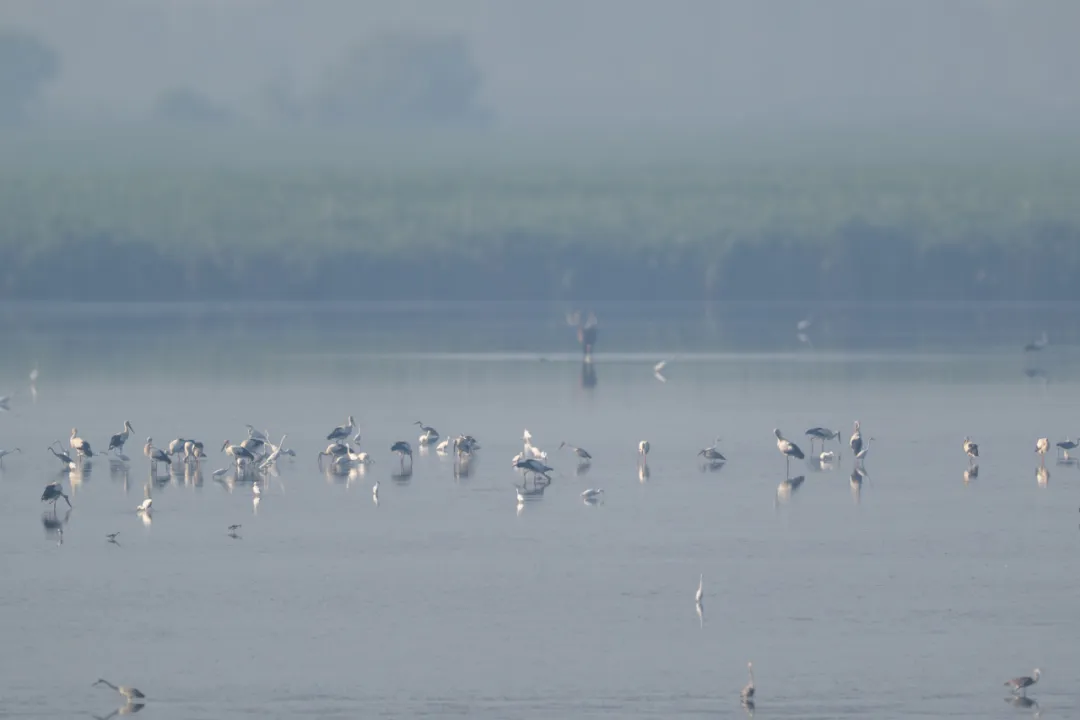
Photo: Flock of birds photographed by the monitoring team
01 Features of Dominant Breeding Populations
Ten dominant breeding species including grey heron, great cormorant and little egret were documented, totalling more than 6,000 individuals and making up 55 % of all birds counted in this survey. Ardeidae (herons & egrets) and Laridae (gulls) are typical congregatory breeding taxa, forming large breeding colonies along coastal estuaries and wetland tidal flats.
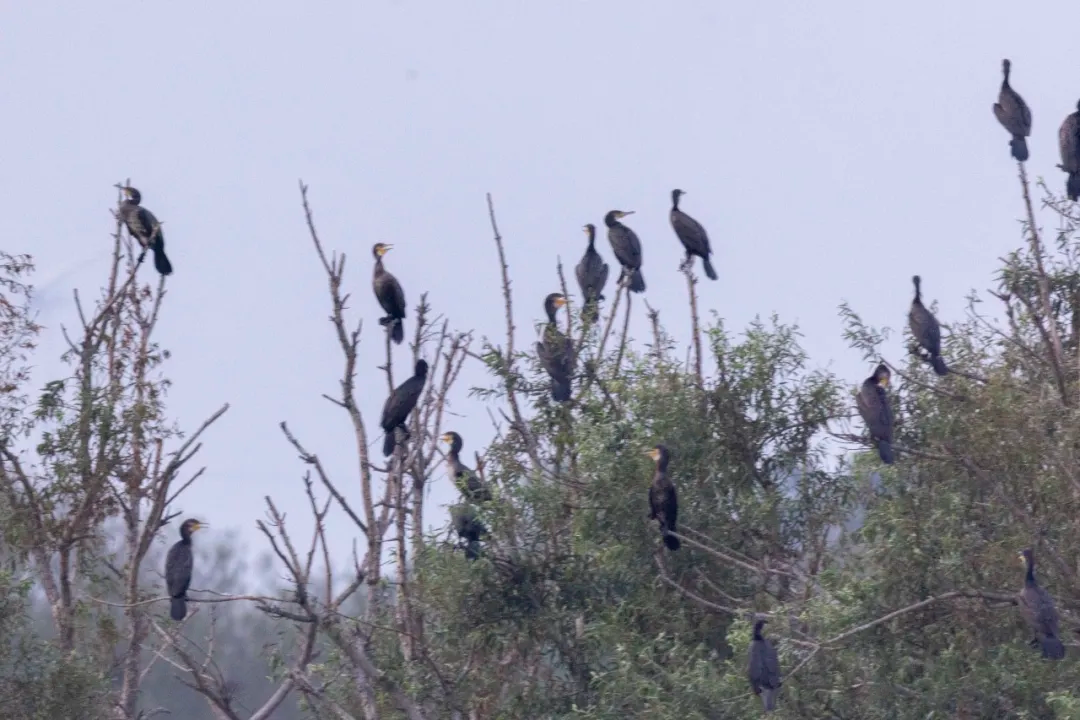
Photo: Flock of great cormorants
02 Records of Key Protected Species
Seventeen species under national wildlife protection were recorded in this survey. Among them are three Class-I nationally protected birds: oriental stork, Saunders' gull and black faced spoonbill, together with eleven Class-II nationally protected birds such as Reed Parrotbill, Eurasian Spoonbill and pheasant-tailed jacana.
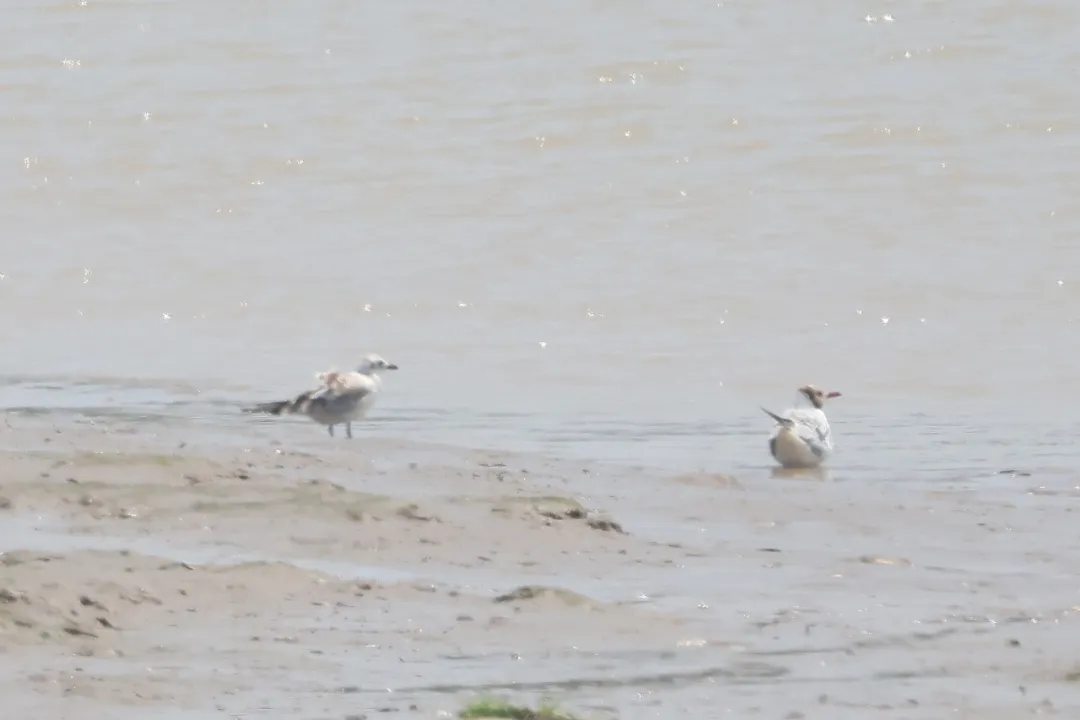
Photo: Black-headed gull and Saunders' gull
The oriental stork is a notable newly-documented breeding species for Yancheng. Saunders' gull is a rare breeding bird typical of coastal wetlands. The reed parrotbill serves as an indicator breeding species of reed-dominated habitats, while the Eurasian spoonbill forms rare breeding populations in inland wetlands.

Photo: Onsite bird-monitoring work
03 Species Distribution Patterns
The little egret shows the broadest distribution, occurring across diverse habitats including Yancheng’s coastal wetlands, inland lakes and urban parks.
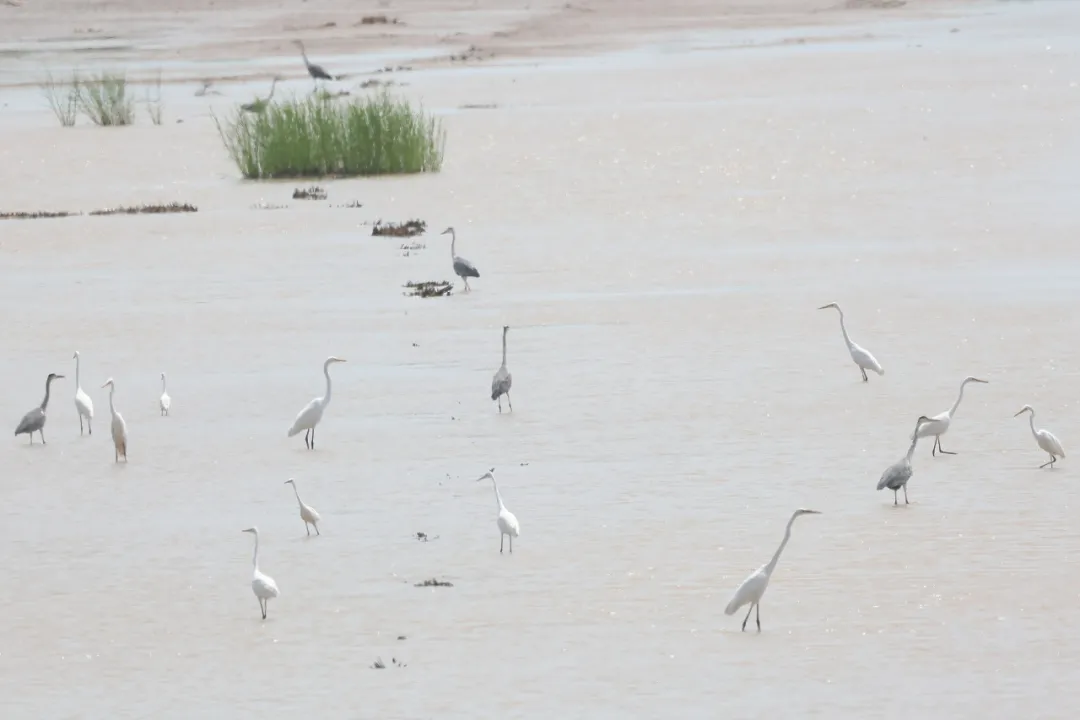
Photo: Mixed Ardeidae flock
A number of other species also show high adaptability to local habitats and breed across the whole region, such as great egret, light-vented bulbul, common tern, house sparrow, barn swallow and grey plover.
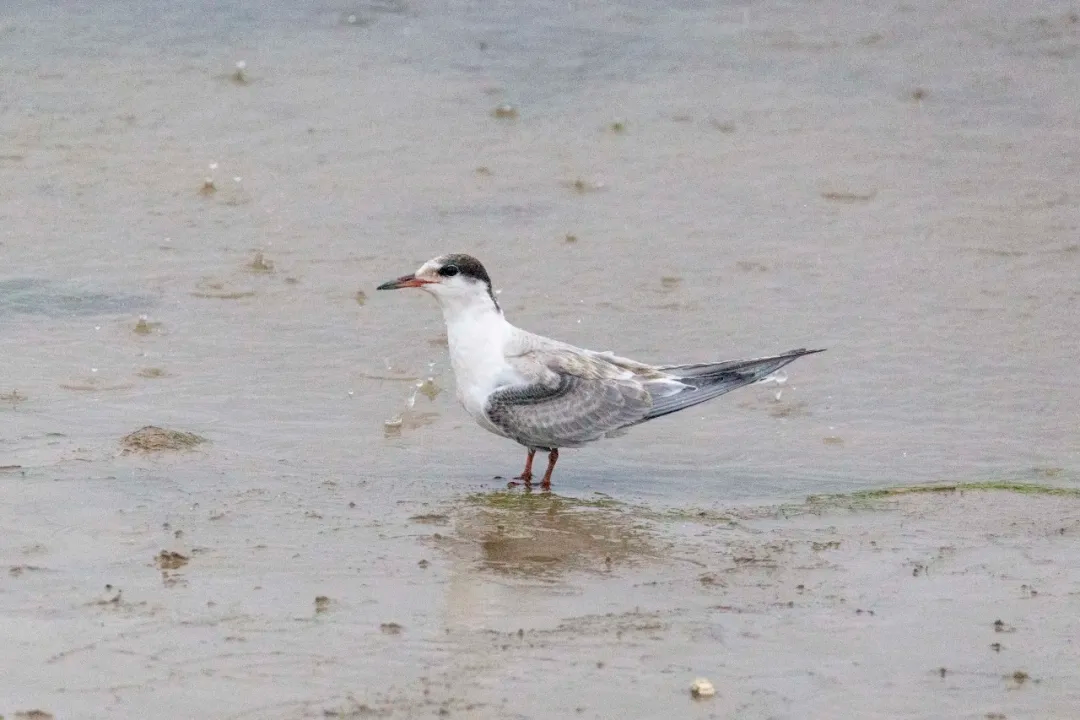
Photo: Common tern
Survey results show that coastal tidal flats and estuaries constitute core breeding grounds for Charadriiformes and Pelecaniformes. Inland lakes and wetlands serve as major breeding habitats for Ardeidae and Anseriformes. Urban and farmland environments are key breeding areas for resident Passeriformes birds.
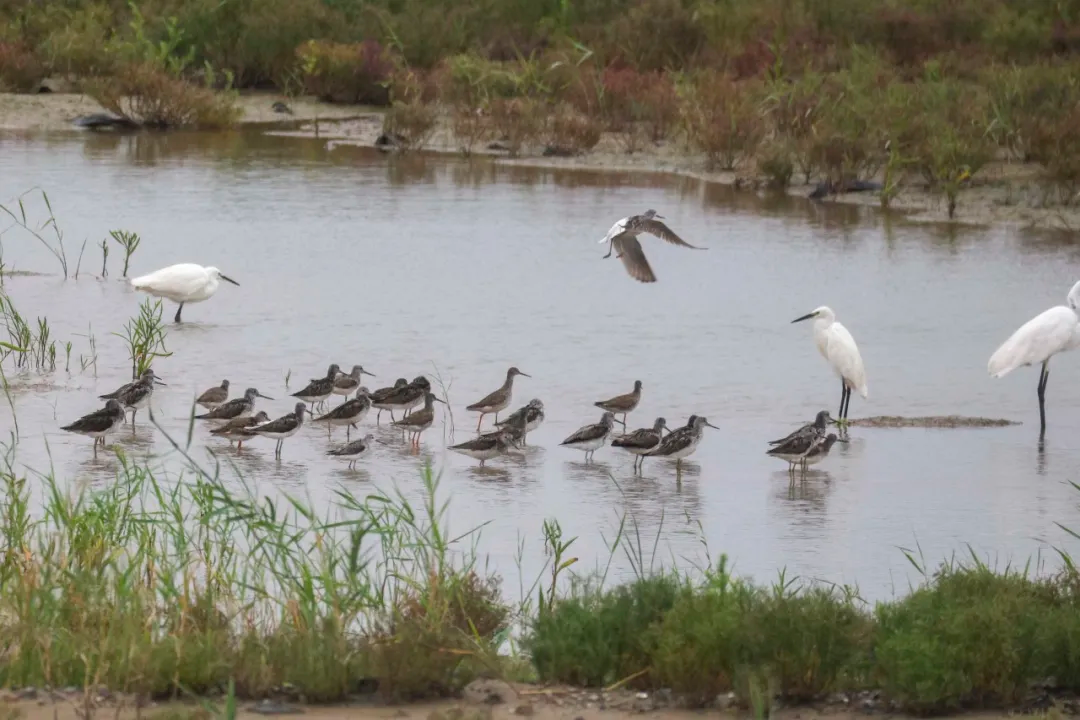
Photo: Mixed Scolopacidae-Ardeidae flock
04 Monitoring Analysis
1. Summer-migrant-dominated breeding assemblage: Of the 100-plus recorded bird species, over 60 % are summer migrants. Charadriiformes, Pelecaniformes and Laridae are typical summer-migrant breeding groups.
2. Marked colonial-breeding behaviour: Herons, egrets, gulls and plovers exhibit clear colonial-breeding habits, building large-scale breeding aggregations in suitable habitats such as coastal estuaries and inland lakes. Breeding populations of grey heron, little egret and common tern represent core breeding bird assemblages in Yancheng.
3. Strong habitat dependence: The distribution of breeding birds closely matches Yancheng’s wetland habitats. Coastal tidal flats, estuarine wetlands, inland lakes and reed marshes are core breeding environments.
4. Widely-distributed resident breeders: Resident species such as house sparrow, light-vented bulbul, Eurasian magpie and spotted dove breed throughout Yancheng. Urban parks, farmland and woodland are their main breeding habitats, and they show strong tolerance of human-modified environments.

Photo: Bird-monitoring at the Red-crowned Crane Wetland Ecotourism Area