Source: Yancheng Bird Watching Society
The society carries out bird surveys, habitat management and wildlife rescue, while promoting public bird conservation awareness.
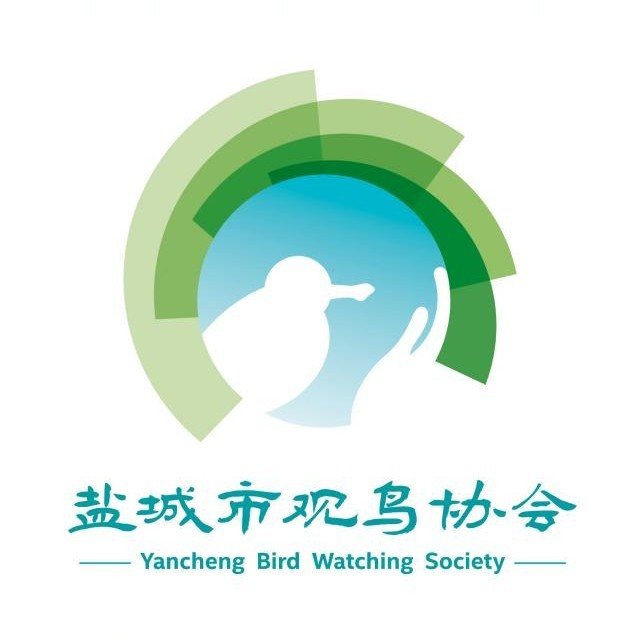
Backed by a 2024 Yellow Sea Wetlands research program, two consecutive breeding seasons of field and satellite tracking (2025–2026) verify the wetlands act as both a migratory stopover and core breeding ground for the endangered Oriental stork, a national Class I protected wetland indicator species.
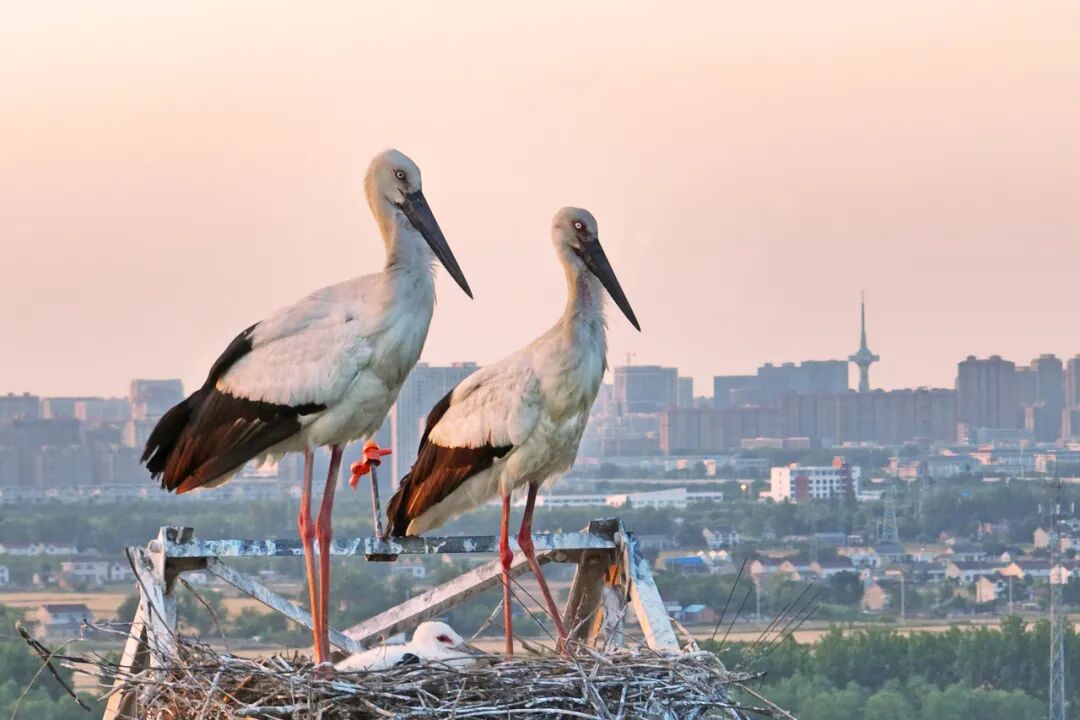
Historically, Oriental storks bred in Northeast China and the Russian Far East and wintered in southern areas. Climate shifts and local ecological restoration have driven their breeding range southward. Situated on the East Asian-Australasian Flyway, Yancheng’s extensive mudflats, lakes and farm waterways provide perfect breeding conditions.
Thriving Reproduction & Full Citywide Nest Coverage
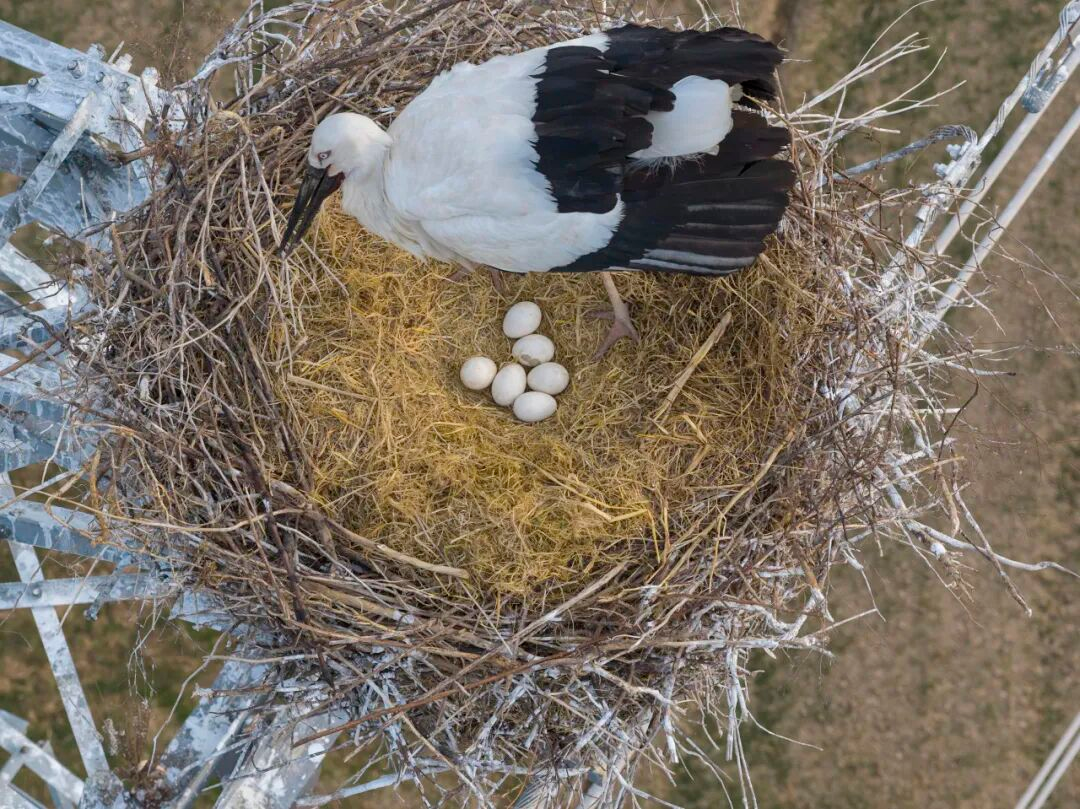
As of June 30, 2026, 185 active nests were documented, yielding 700 eggs, 618 hatchlings and 605 fledglings with an 86.43% breeding success rate, marking a 13.50% rise from 163 nests in 2025.
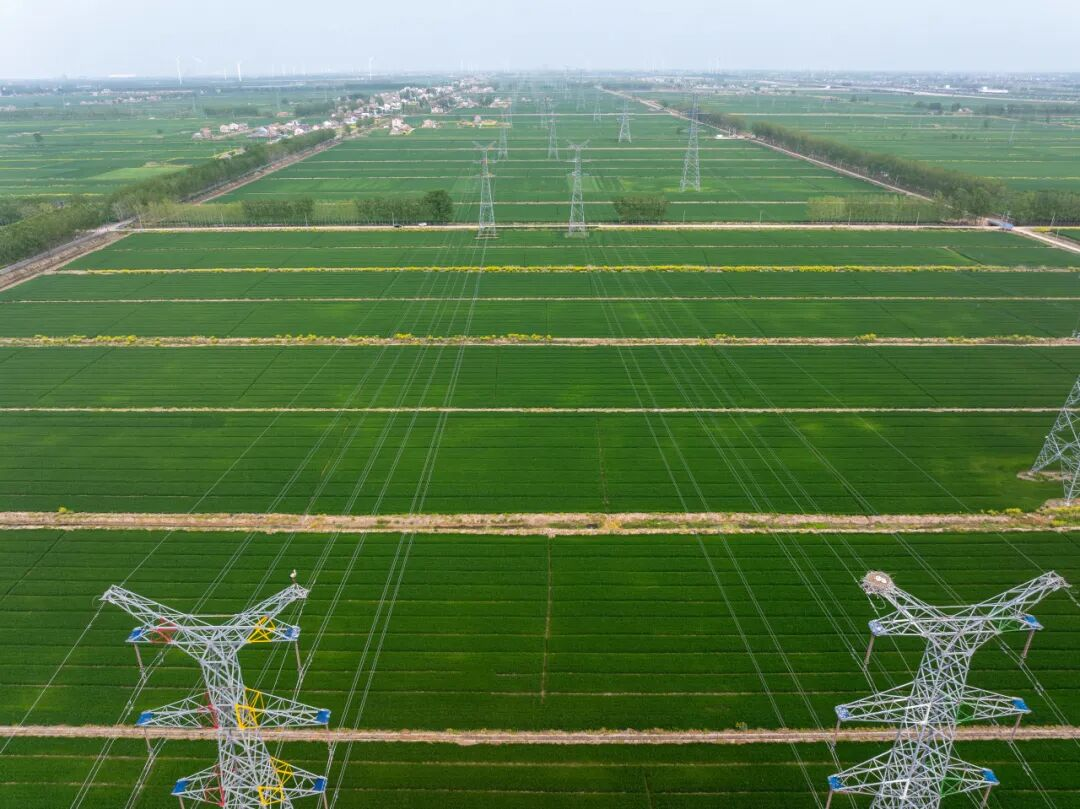
Nests were confined to five districts in 2025, yet 2026 delivered a landmark breakthrough: breeding sites were found across all Yancheng counties and districts. Jiulongkou in Jianhu was the city’s first stable breeding spot. All local storks nest on power towers, demonstrating strong adaptability to man-made elevated structures.
Confirmed Southward Breeding Shift
2025 satellite tracking of juvenile storks shows they retain their traditional north-south migration, yet growing numbers breed along Yancheng and Jiangsu coasts. This dispels the long-standing notion that storks only breed in the north and overwinter in the south, highlighting the superior ecological allure of the Yellow Sea Wetlands.
Zhou Chenxi, the society’s chair, noted continuous year-round monitoring, database updates and refined habitat protection will be implemented to sustain local biodiversity achievements.