
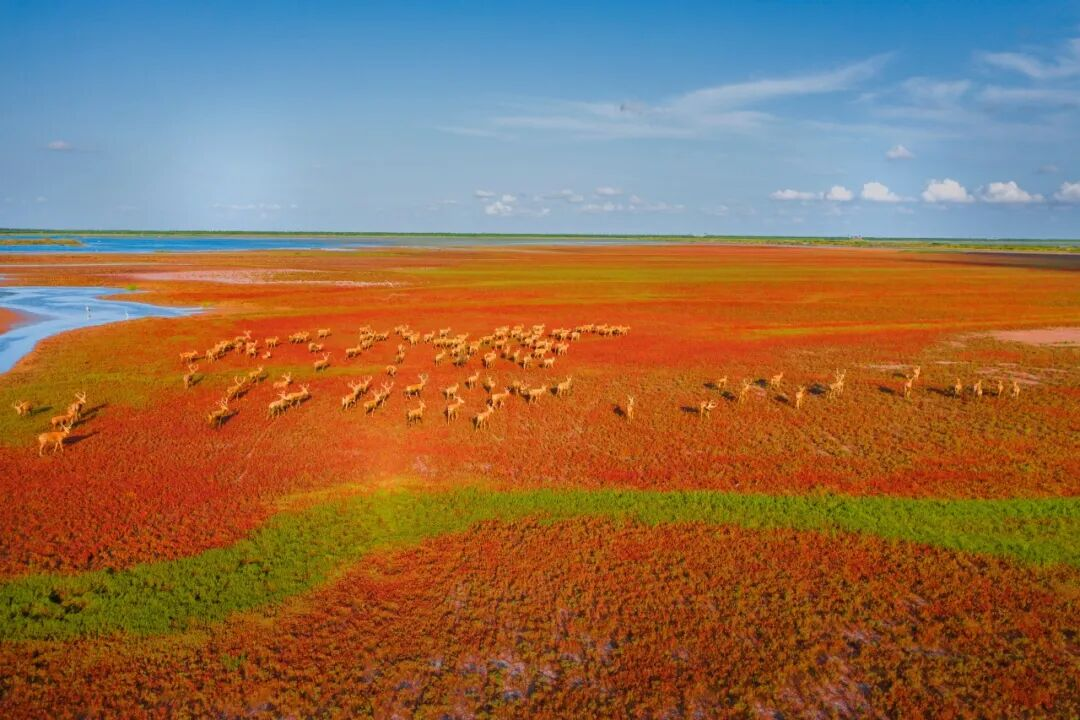
Tens of thousands of migratory birds have arrived at Yancheng Yellow Sea Wetland, a World Natural Heritage site, kicking off its prime autumn viewing season. Crimson seepweed, roaming elks, dancing red-crowned cranes and flocks of soaring birds make its abundant ecological resources Yancheng’s top holiday draw.
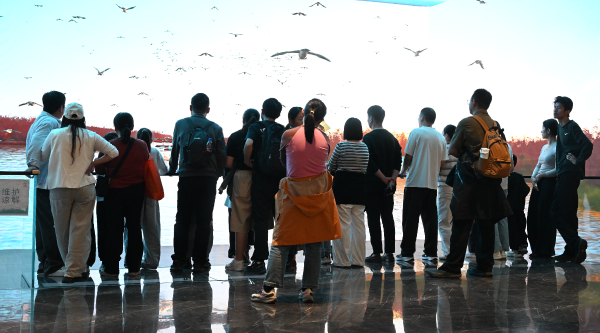
Yellow Sea Wetland Museum
A popular family-friendly science-education destination, it features migratory-bird-themed stamp-collection check-ins, wetland exhibitions, 8K immersive experiences and hands-on nature-education activities. Children learn about wetlands and birds through playful interactions. The museum has earned glowing reviews and topped rankings on online platforms such as Douyin and Dianping.

Tiaozini

Dubbed an “international airport for birds”, its red-tinged tidal flats shelter rare species including spoon-billed sandpipers and Nordmann’s greenshanks, which stop over to rest and refuel. Bird-watchers from across China come equipped with professional telephoto lenses. Holiday offerings include the limited-edition Migratory Bird Passport, a children’s drama themed on spoon-billed sandpipers, and outdoor NPC parades.
China Milu Park
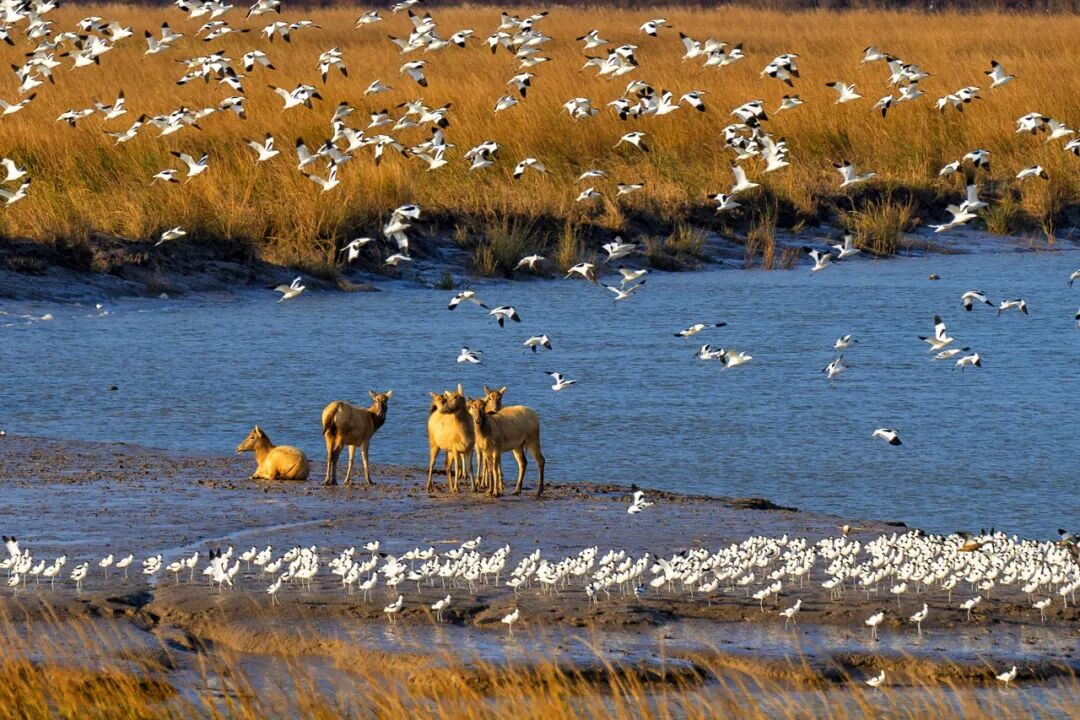
Nicknamed the “Oriental Kenya”, the park is home to milu herds wandering across golden tidal flats, accessible via the Youyou Luming sightseeing bus. Holiday events consist of mascot parades, stamp-collection for cultural-and-creative souvenirs, and the live-action show The Milu King Spectacle, which spreads wetland-protection knowledge in a lively, child-oriented manner.

Red-crowned Crane Wetland Ecotourism Zone
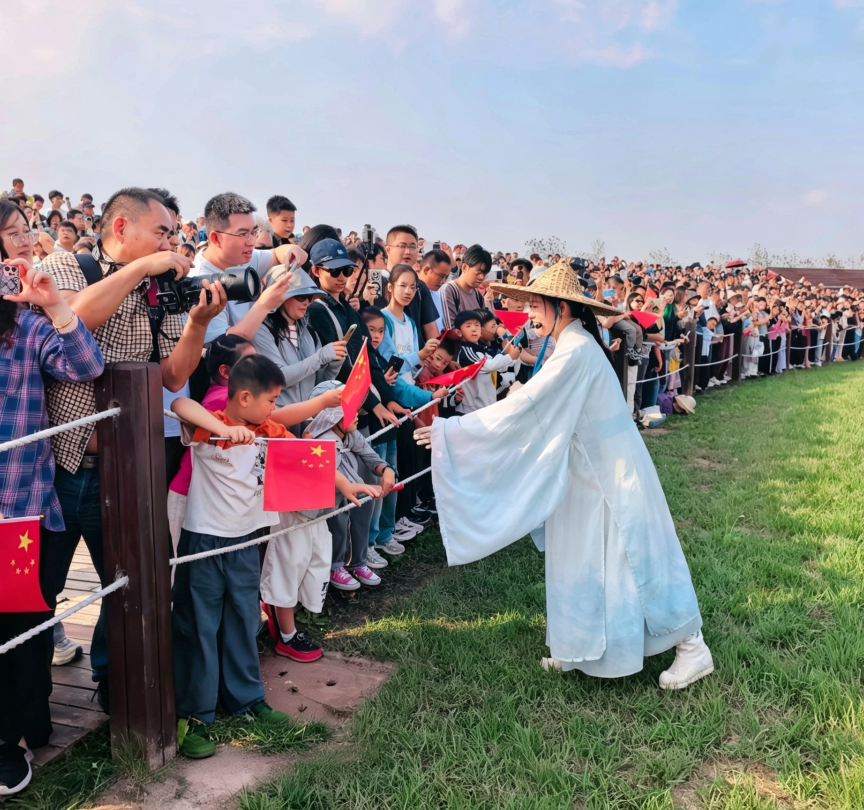
Highlights include the musical A True Story, a 9D flight film, live performances and wild-release demonstrations of cranes. Red-crowned cranes take centre stage, telling the local story of wetland conservation.
More than just a set of tourist-visitor statistics, Yancheng Yellow Sea Wetland presents an impressive showcase of World Natural Heritage. Visitors go home not only with photos, but also with greater awareness of heritage protection.