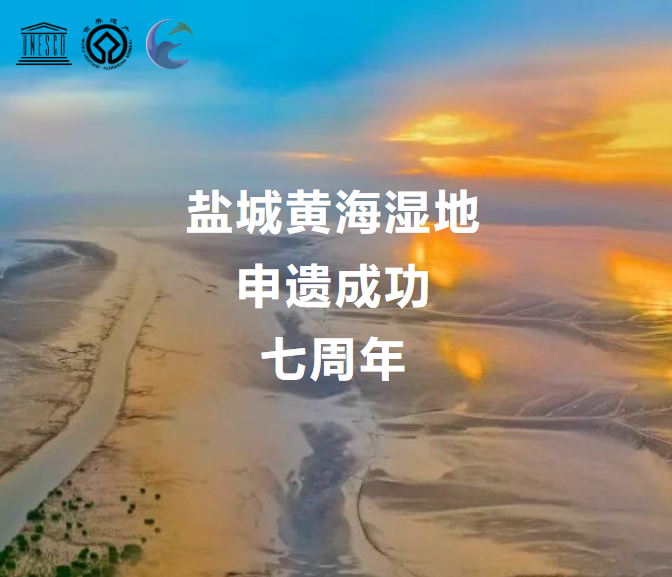
The 7th Anniversary of World Heritage Inscription
Seven years ago, Yancheng Yellow Sea Wetlands were inscribed as China’s Yellow (Bohai) Sea Migratory Bird Habitat (Phase I). Over seven years, the wetland serves as a vital stopover for migratory birds and a showcase of local ecological conservation. Below is a recap of core work over the past year.
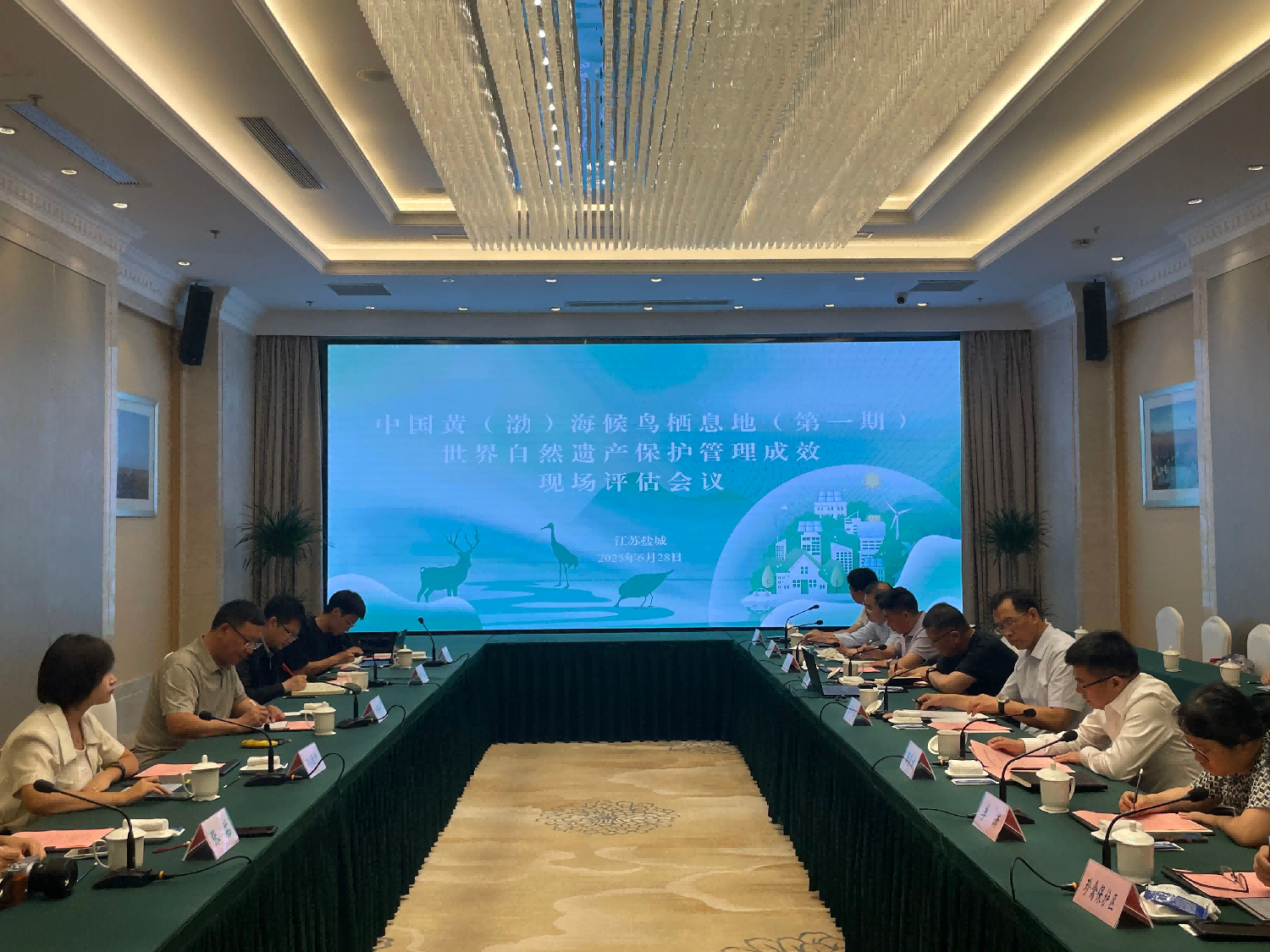
1. Completed China’s first national assessment of natural heritage conservation
In 2025, national experts conducted field surveys and seminars to assess five-year conservation results. Yancheng’s innovative practices were recognized as global exemplary cases.
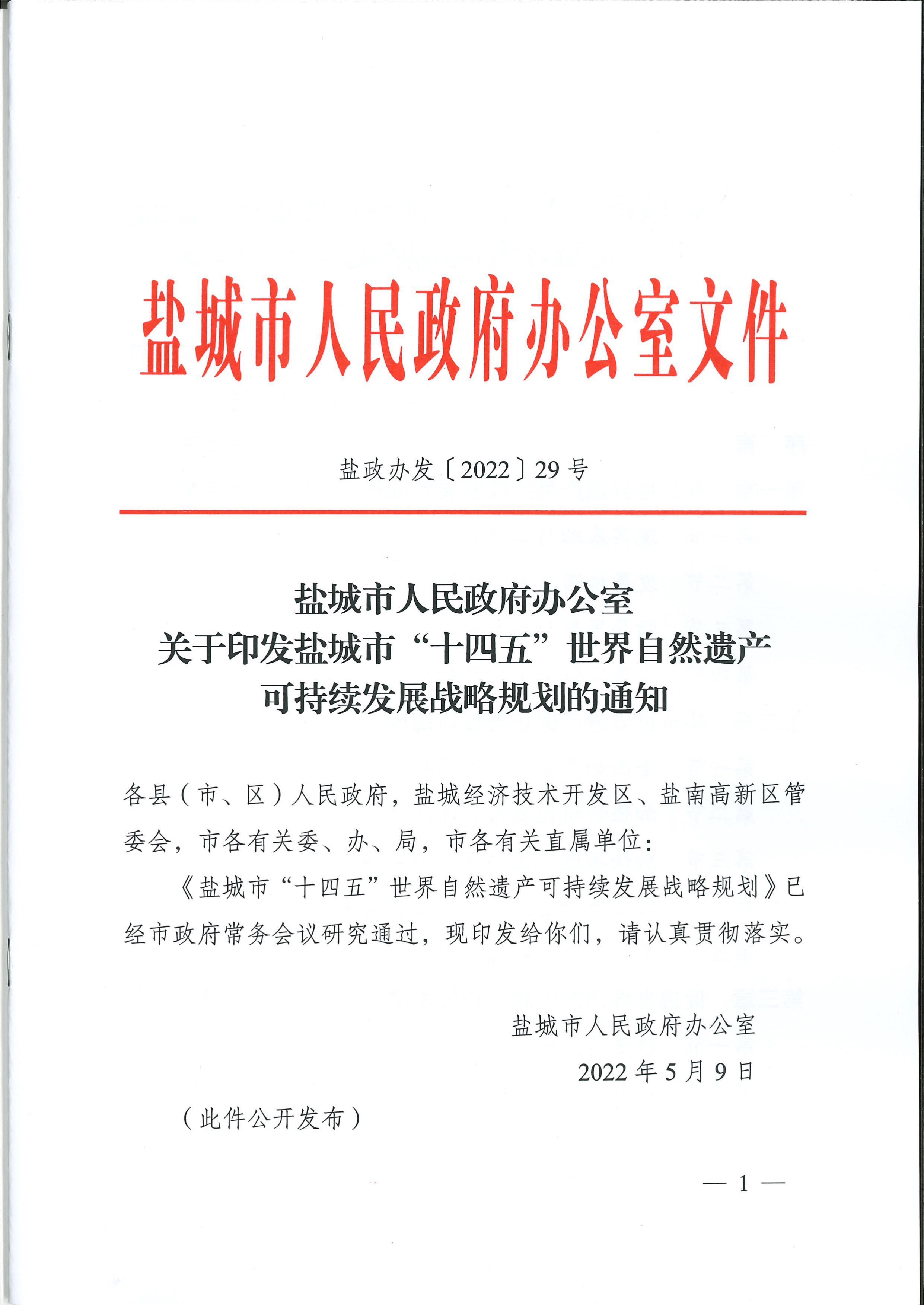
2. Launched the 15th Five-Year Sustainable Development Plan
After concluding the 14th Five-Year Plan review, the city drafted a new strategic plan for high-quality heritage protection and sustainable growth.
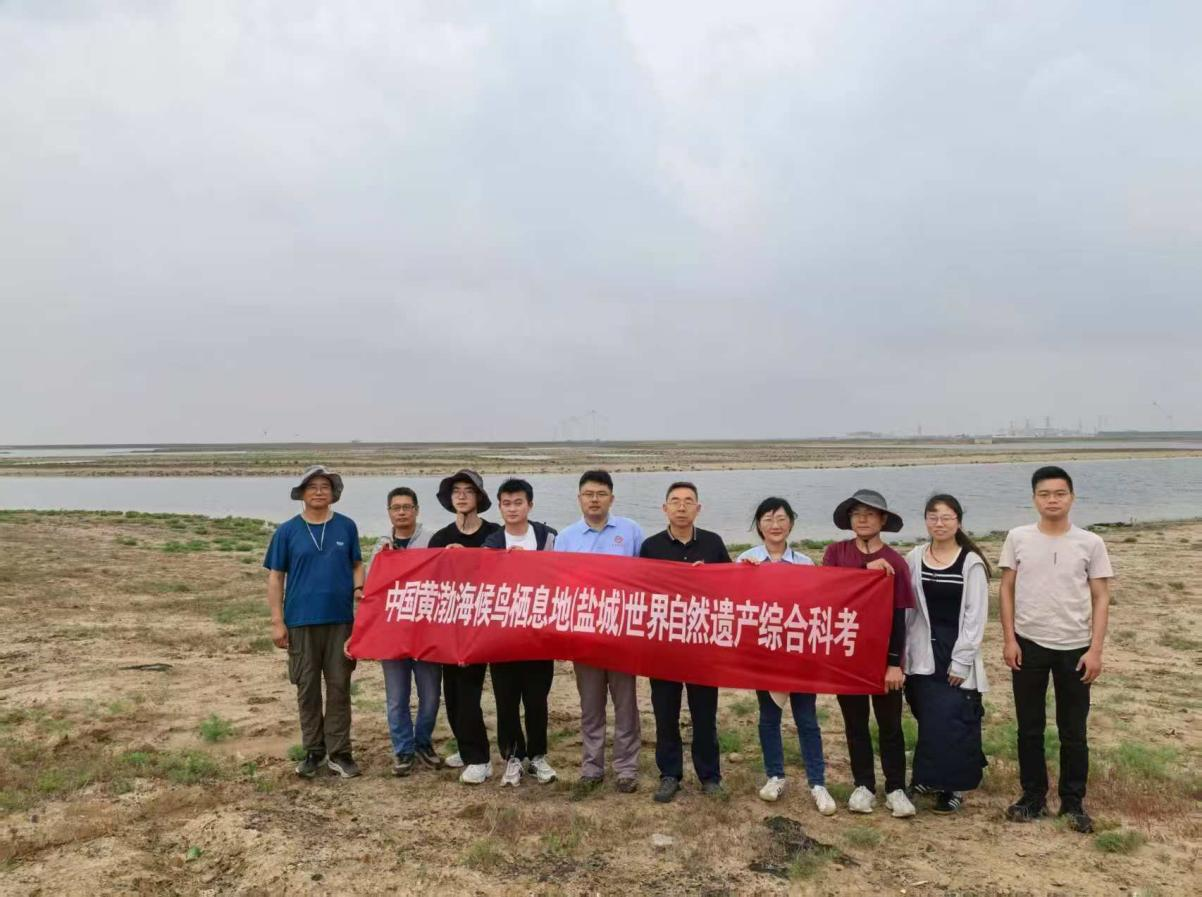
3. Finished a year-and-a-half comprehensive ecological survey
Launched in late 2024, the survey covered geography, biodiversity, social impacts and Dongsha waters via 20+ field expeditions to establish full ecological baseline data.
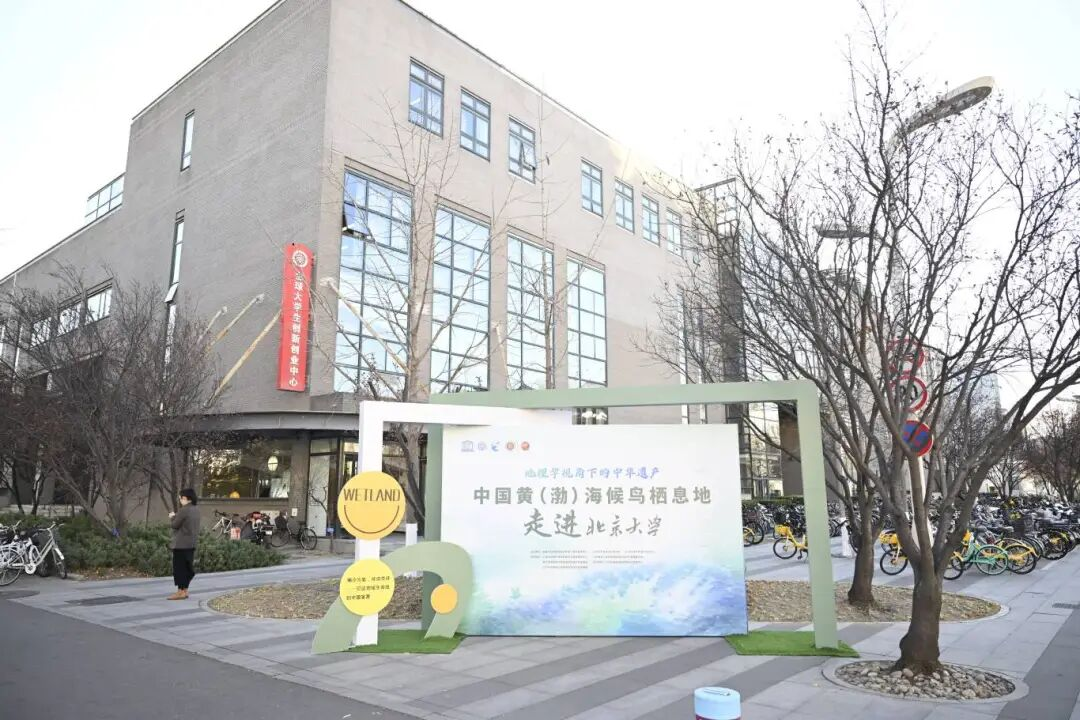
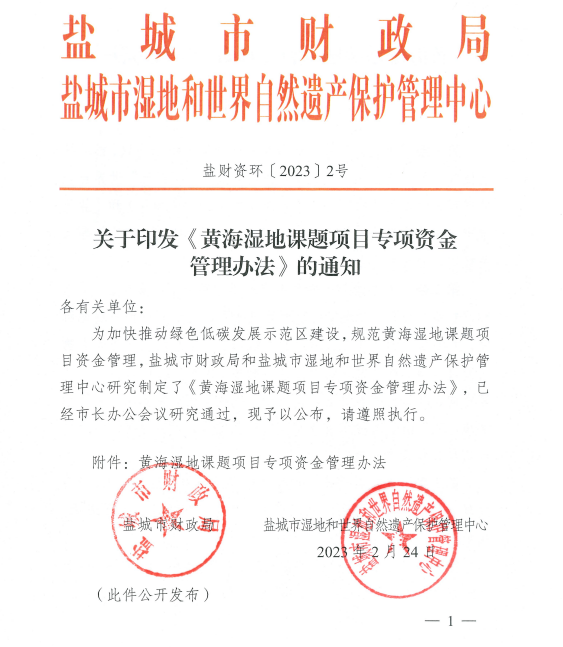
4. Held themed exhibition at Peking University
Cooperated with Peking University to host a wetland exhibition, elevating the heritage’s academic influence among top domestic institutions.
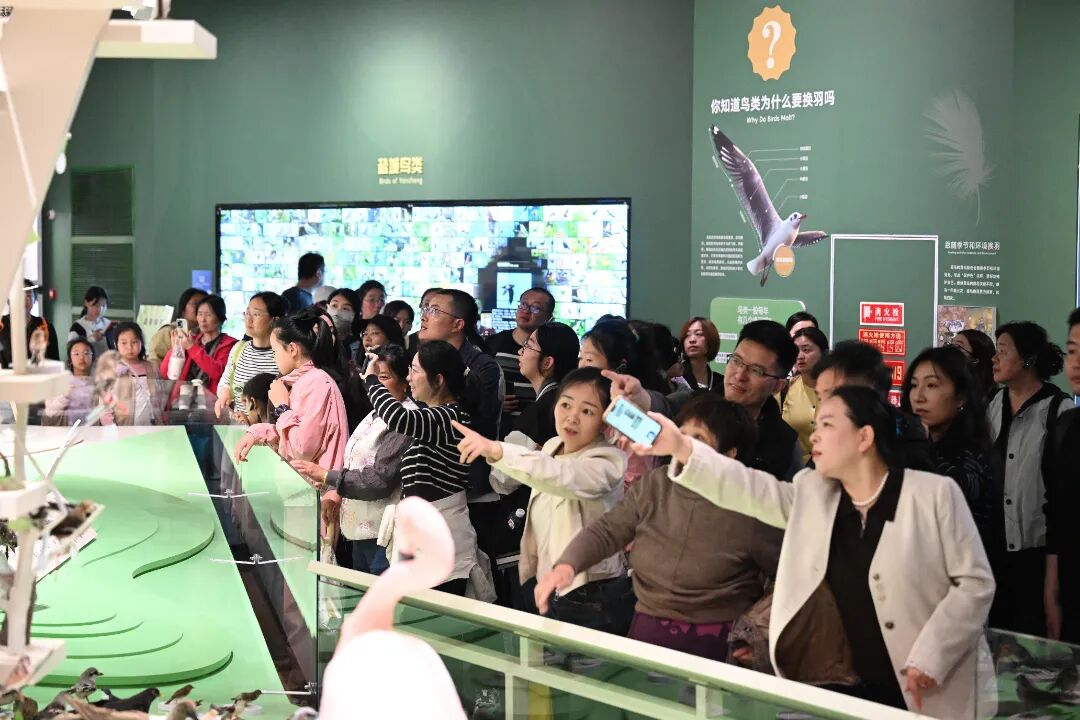
5. Museum saw record-breaking visitor numbers
Holiday visitor numbers surged 57%–103% year-on-year, with a single-day peak of 7,872 people, reflecting rising public popularity.
6. Rolled out global research programs to boost international voice
36 research projects have been carried out, covering ecological restoration, bird-friendly agriculture, volunteer services, wetland assessment and ecological education. New project calls will open in April 2026 to strengthen global coastal wetland leadership.
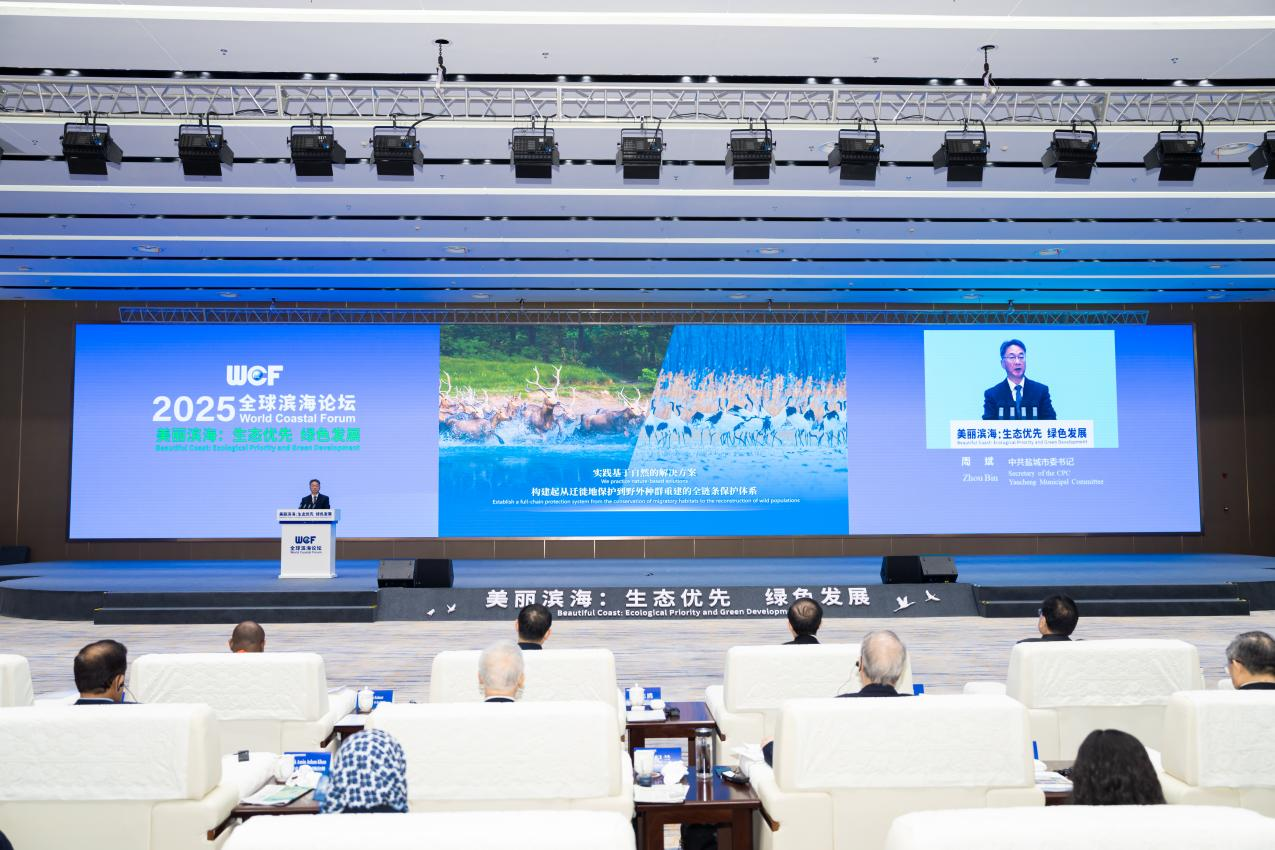
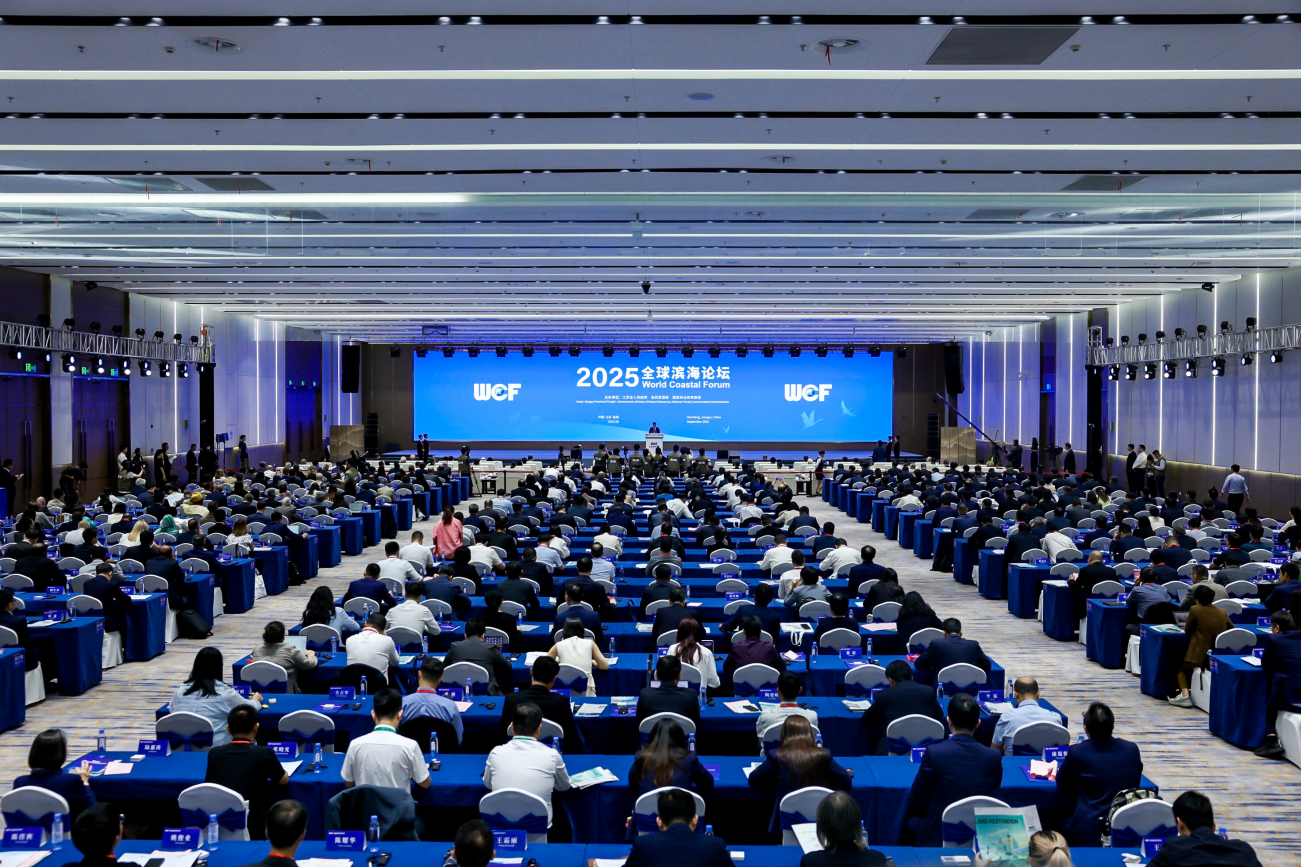
7. Hosted the 2025 World Coastal Forum
Included in the Global Civilization Dialogue Ministerial Conference action plan, the forum gathered nearly 300 delegates from 37 countries and 25 partners to build a global coastal conservation platform.
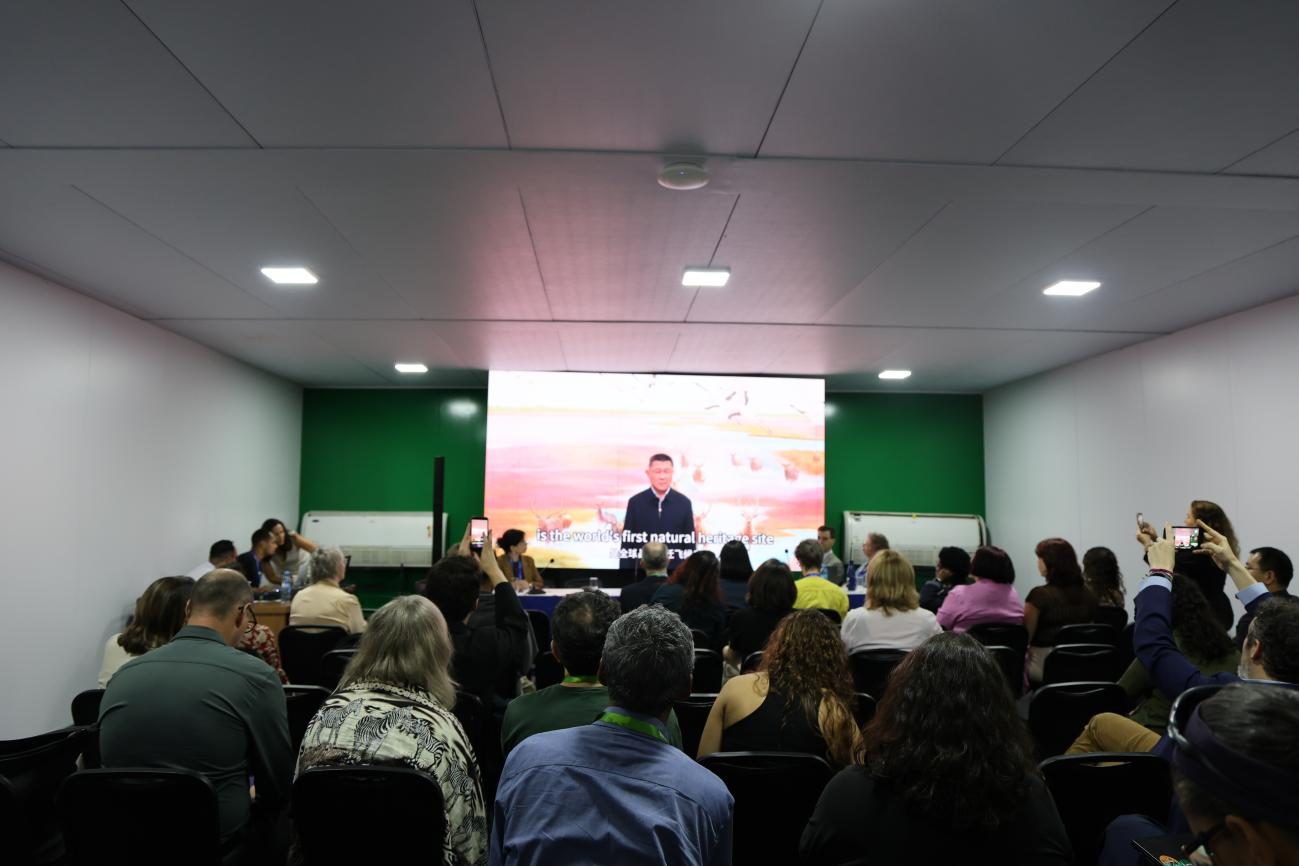
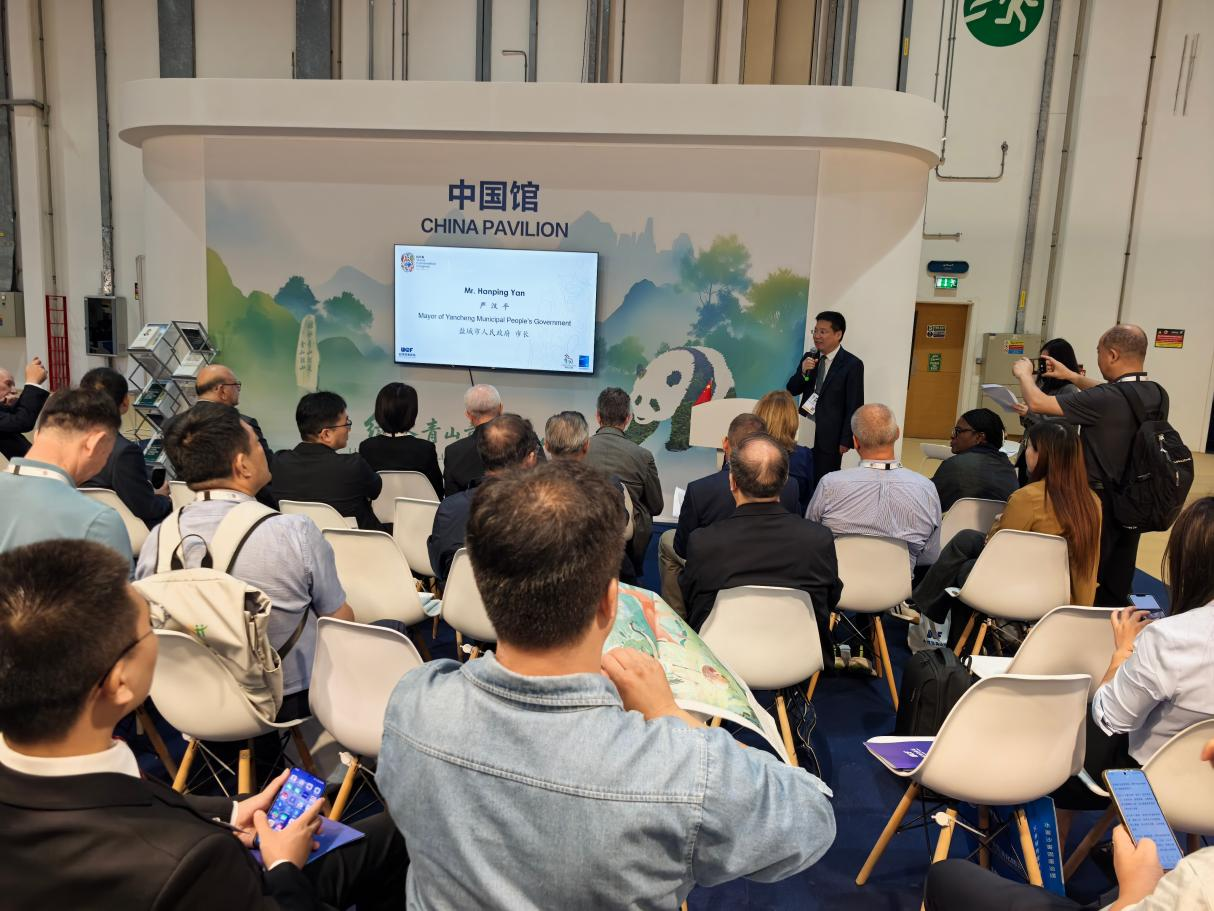
8. Shared Yancheng’s experience at major international events
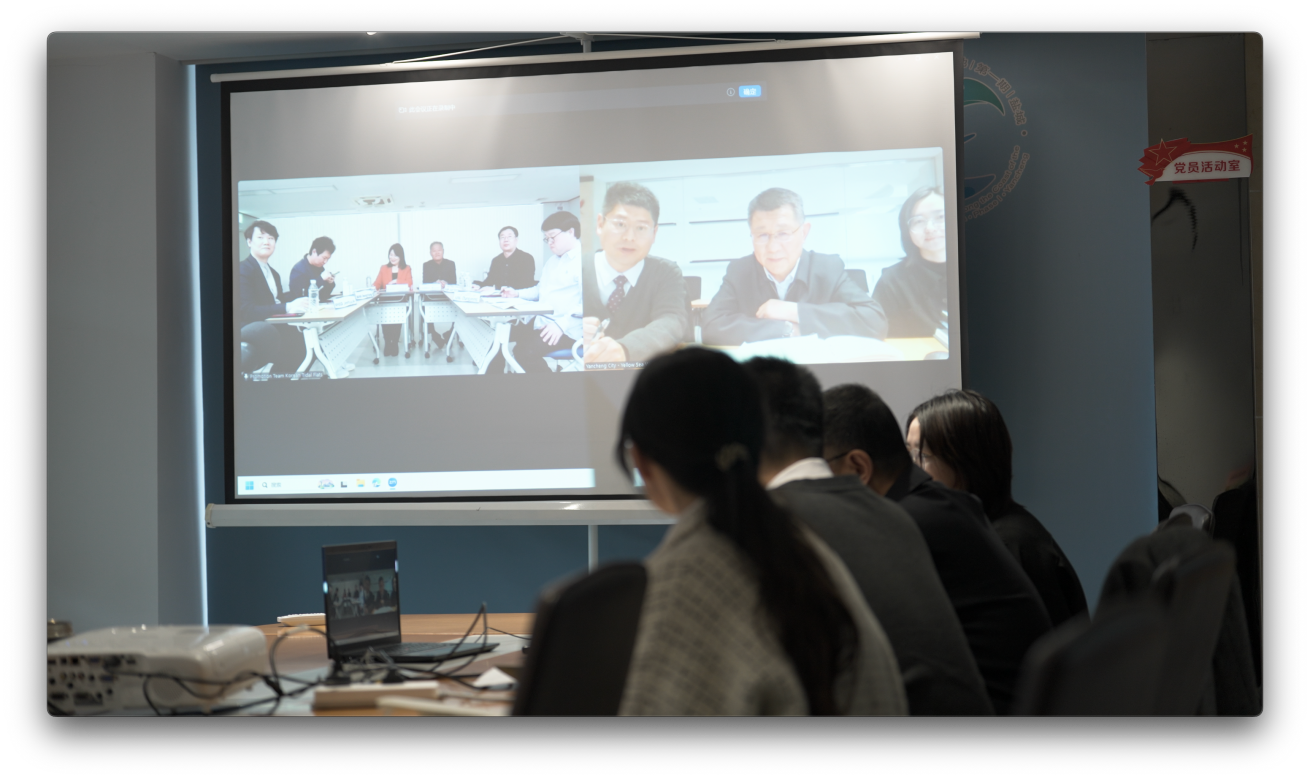
Presented at UN Ocean Conference, World Conservation Congress and CMS COP15; held online exchanges with South Korean tidal flat teams to advance cross-border cooperation.
9. Received IUCN Deputy Director-General’s field visit
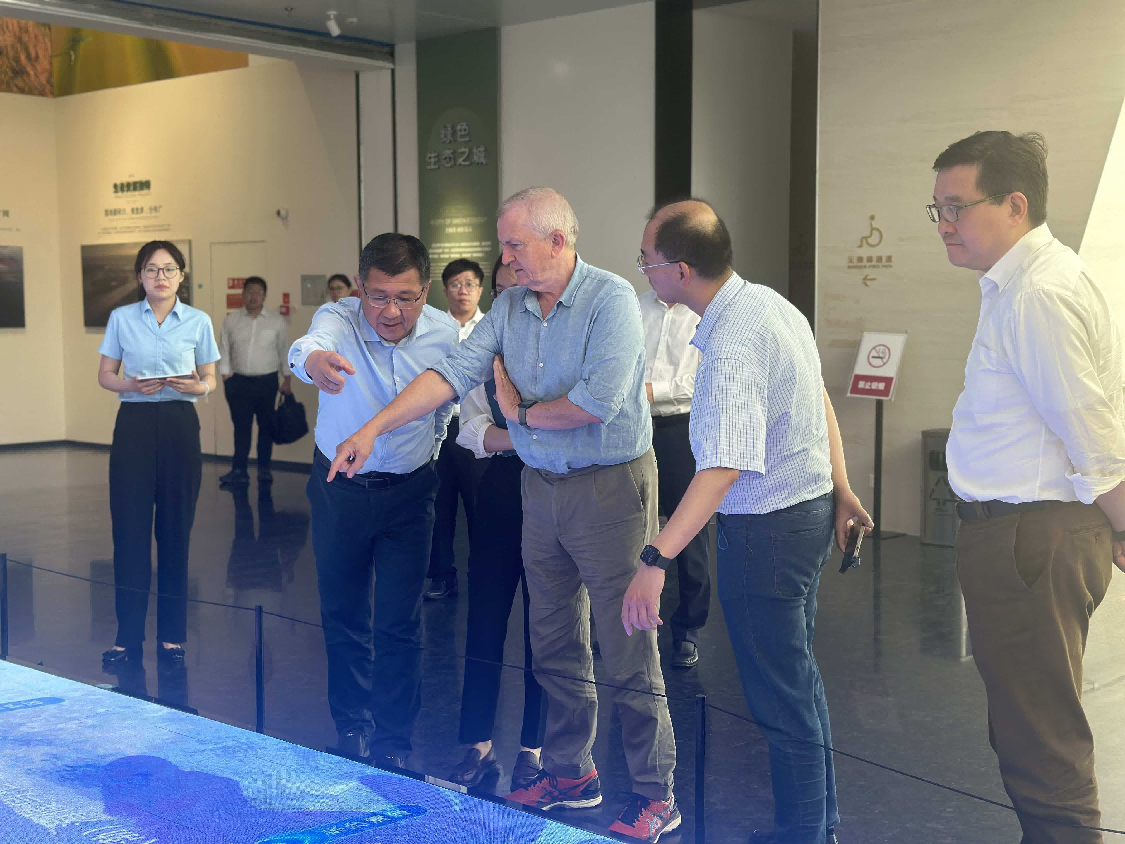
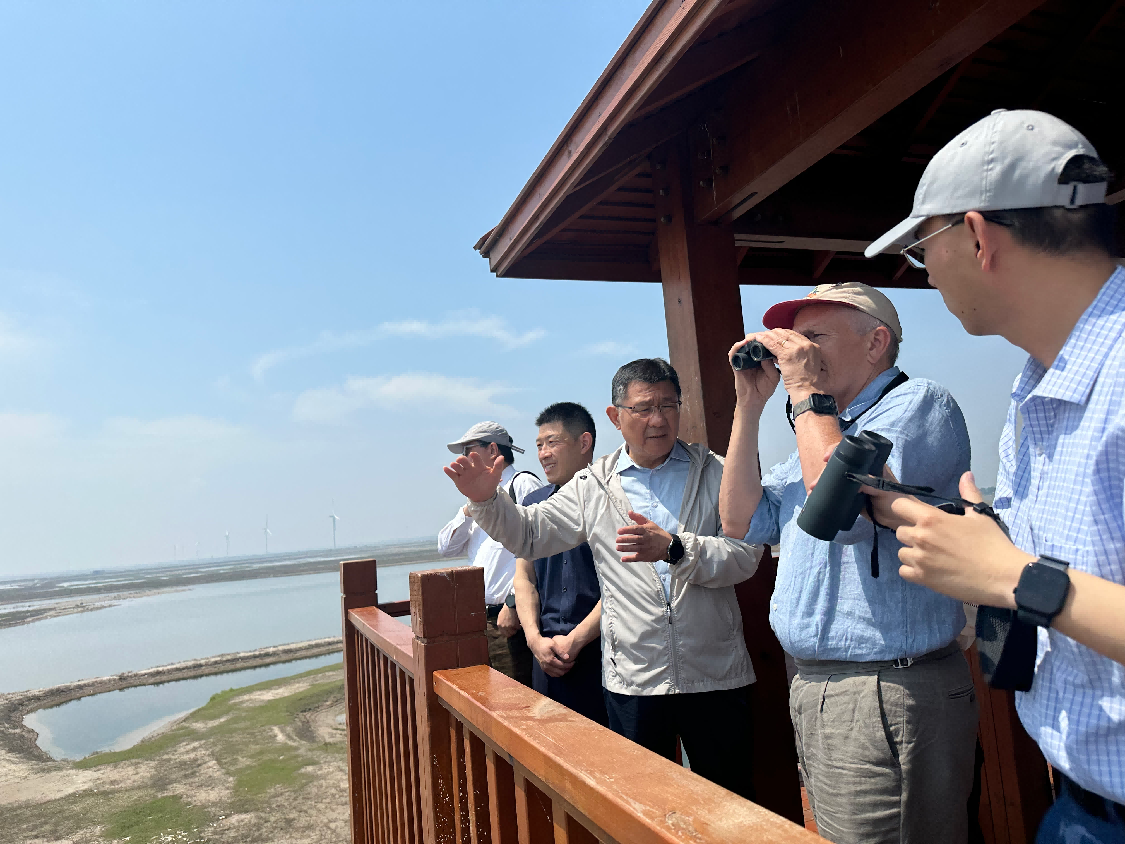
IUCN’s Stewart Maginnis inspected local restoration sites and the museum, praising conservation results and agreeing to deepen global ecological cooperation.
10. Created a unique wetland study tour certification system
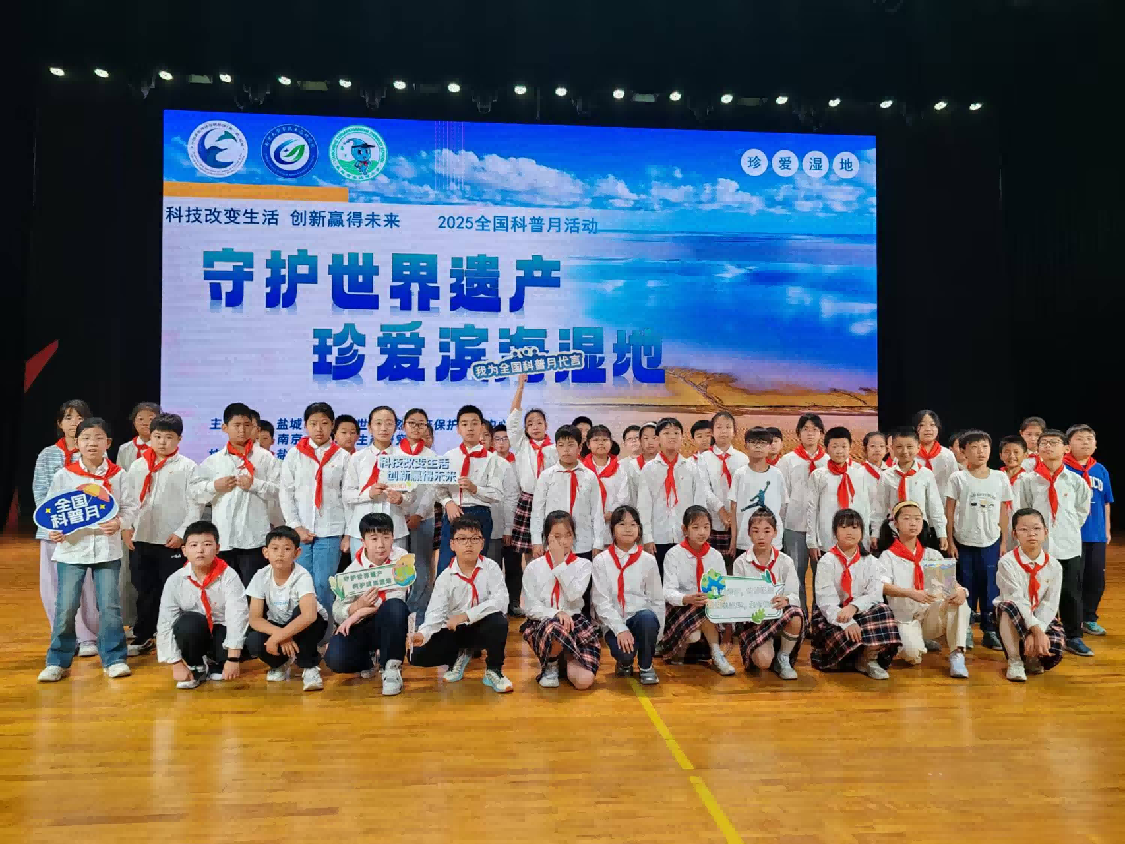
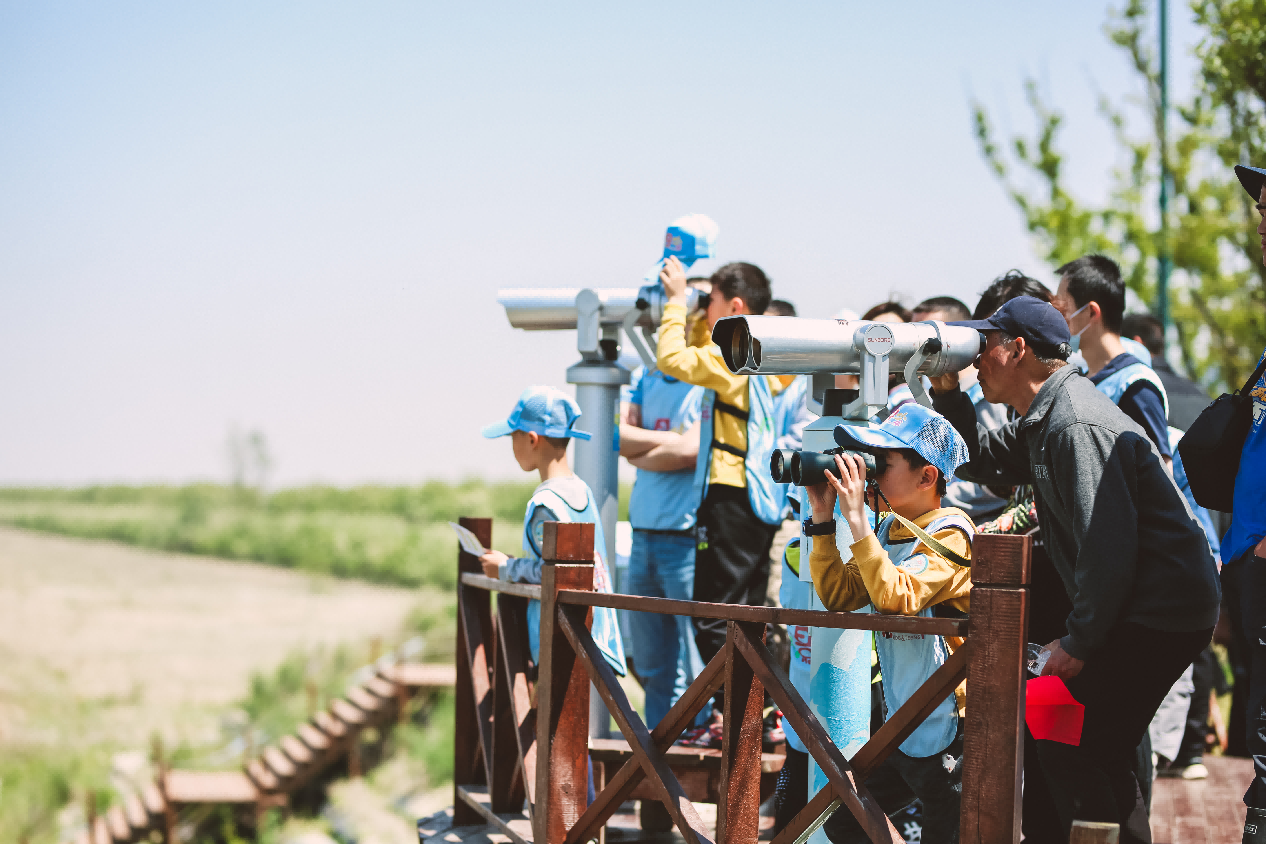
Issued special guidelines for heritage science education, signed a cooperation memo with UNESCO Suzhou Center, certified professional study tour instructors and developed 150+ nature courses. The museum was named one of China’s Top Ten Study Tour Bases.
Conclusion
World heritage listing is a new starting point. Adhering to ecological priority and green development, we will keep advancing wetland protection and deliver better results next year.