
1972: Convention adopted
UNESCO adopted the World Heritage Convention in 1972. China could not join then as it had not yet restored its UN seat. China’s National Commission for UNESCO was founded in 1979 to prepare for possible accession.
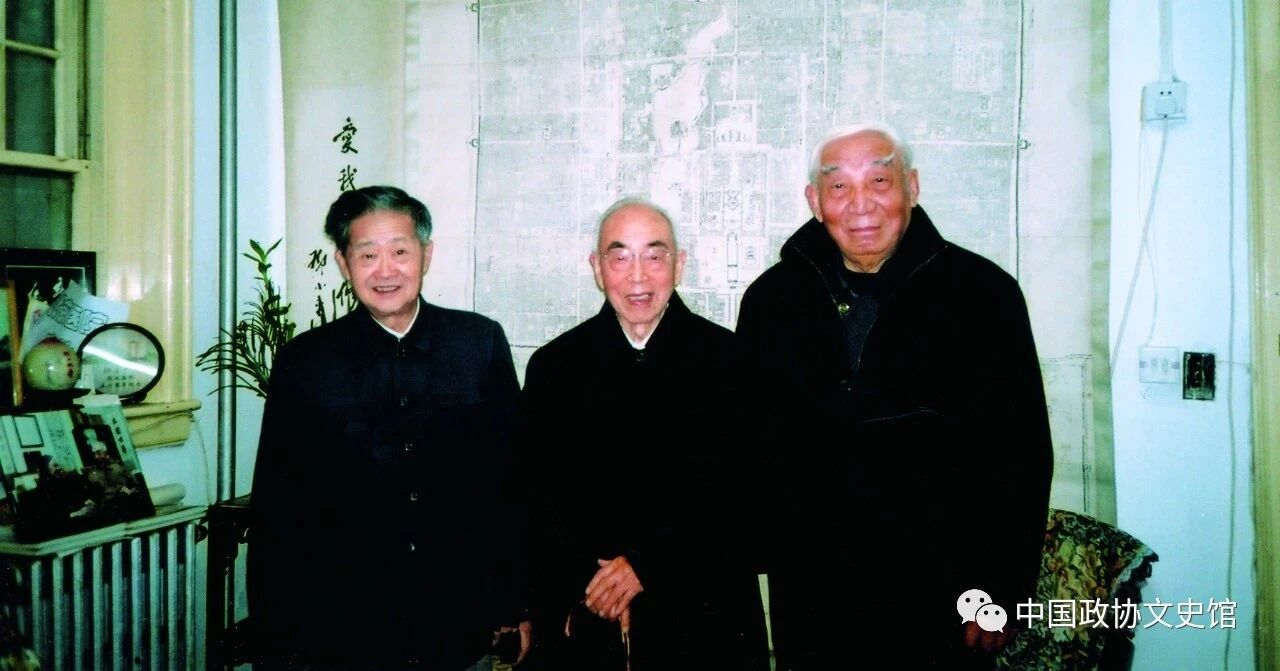
Hou Renzhi (center), Zheng Xiaoxie (left) and Luo Zhewen (far left)
1985: Four experts put forward a joint proposal
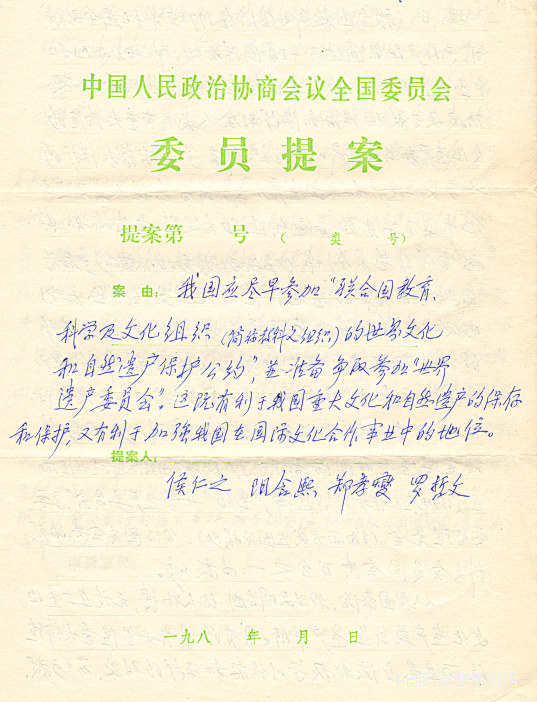
During a US trip, Peking University professor Hou Renzhi realized China’s abundant heritage qualified it for the convention. Back home, he co-submitted Proposal No.663 with Yang Hanxi, Zheng Xiaoxie and Luo Zhewen, urging China to join the convention promptly.
1985: China formally accedes to the convention
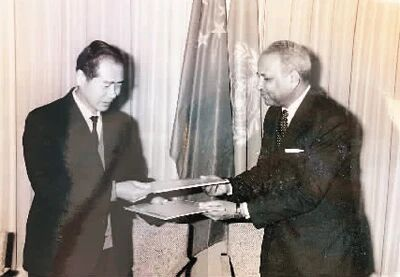
China’s top legislature approved accession in 1985. On December 12, China signed the convention and became an official State Party. Cai Jintao, First Secretary of China’s UNESCO delegation, exchanged signed documents with UNESCO Director-General Amadou-Mahtar M’Bow.
In 1987, only one year later, China inscribed its first six World Heritage Sites: the Great Wall, the Imperial Palaces of the Ming and Qing Dynasties, Peking Man Site at Zhoukoudian, the First Qin Emperor’s Mausoleum and Terracotta Army, Mogao Caves and Mount Tai, impressing the whole world.
The Great Wall | Photo: VCG