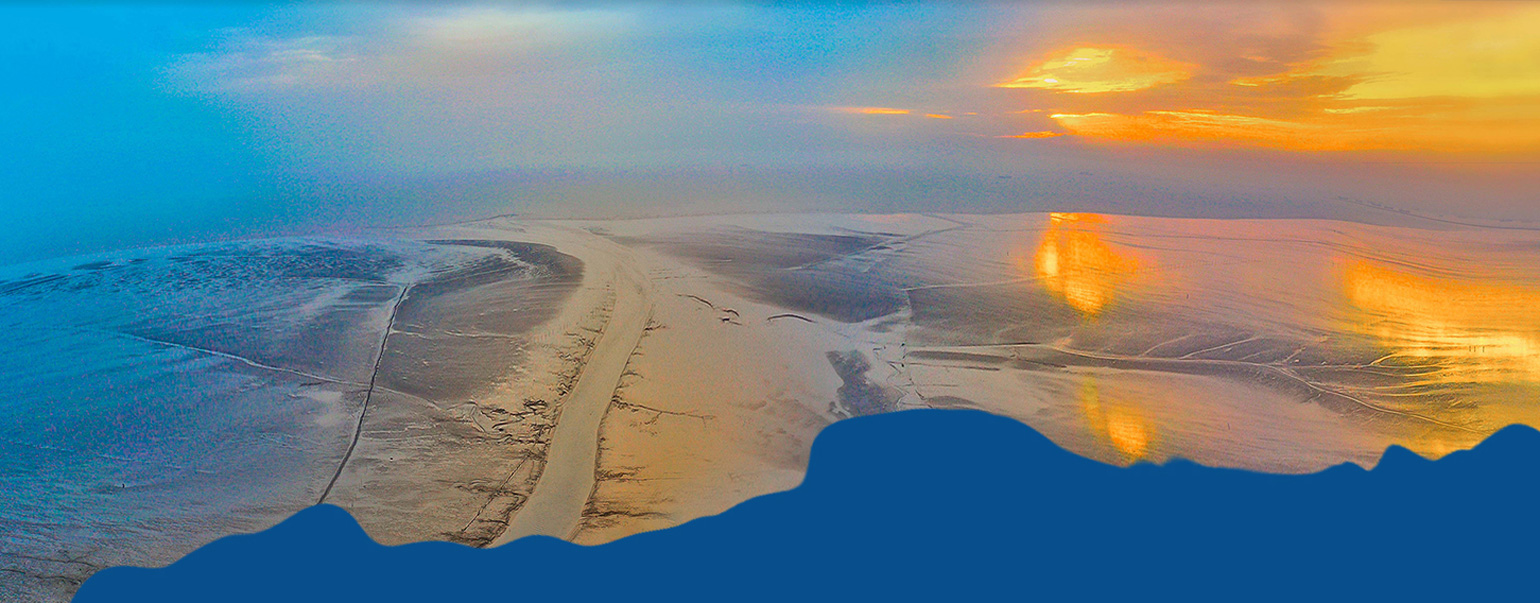
1. Large, Diversified World Heritage Inventory
China has 60 World Heritage Sites (2nd worldwide): 41 cultural, 15 natural, 4 mixed cultural-natural heritage. Blending nature and humanity, these sites enrich global heritage diversity and set examples for transboundary heritage conservation.
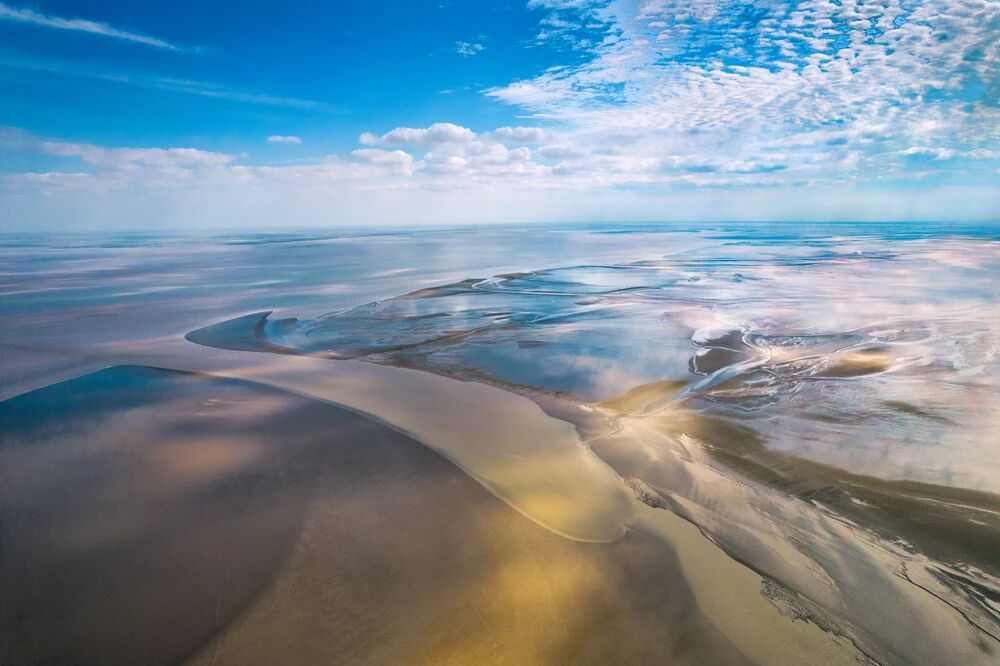
Beautiful Yellow Sea Wetlands, Yancheng|Photo: Li Yanping
2. Chinese Heritage Sites Created Multiple Global Firsts
· Mount Tai: World’s first mixed cultural-natural heritage, meeting all cultural and natural heritage criteria.
· Three Parallel Rivers: China’s only site satisfying all 4 natural heritage standards.
· Chengjiang Fossil Site: Asia’s sole paleontological fossil World Heritage.
· Hoh Xil: Filled the global blank of Third Pole biodiversity heritage.
· Migratory Bird Sanctuaries along Yellow Sea-Bohai Gulf: Pioneered global migratory bird flyway protection.
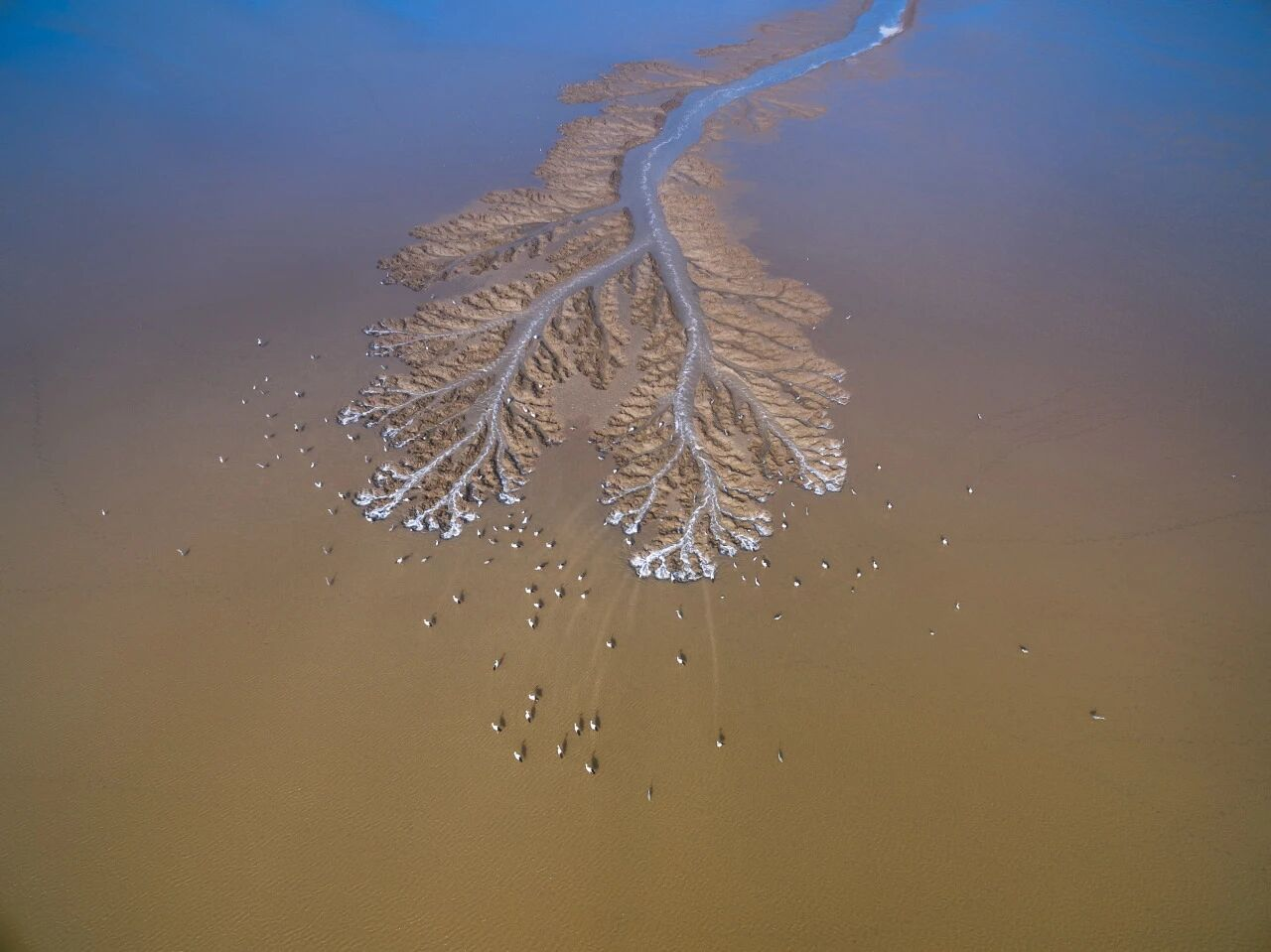
Wetland Elves • Photo by Shu Jian
3. From Rule Follower to Global Rule Maker
Since joining the World Heritage Convention in 1985, China has served on the World Heritage Committee four times and chaired it twice, hosting the 28th (Suzhou, 2004) and 44th (Fuzhou, 2021) World Heritage Sessions.
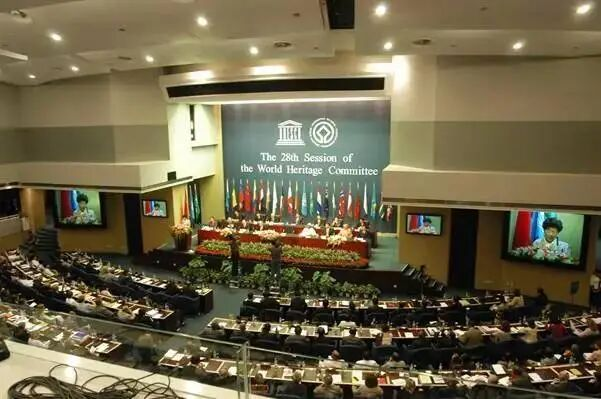
The 28th Session of the World Heritage Committee opened in Suzhou on 28 June 2004

Fuzhou secured hosting rights for the 44th Session of the World Heritage Committee. (Xinhua Photo)
China co-authored core conservation documents: the 1994 Nara Document on Authenticity, 2005 Xi’an Declaration and 2007 Beijing Document. It shares Chinese conservation experience via overseas projects like Angkor Wat restoration and China-Africa heritage cooperation, partnering with all countries to protect humanity’s shared cultural legacy.
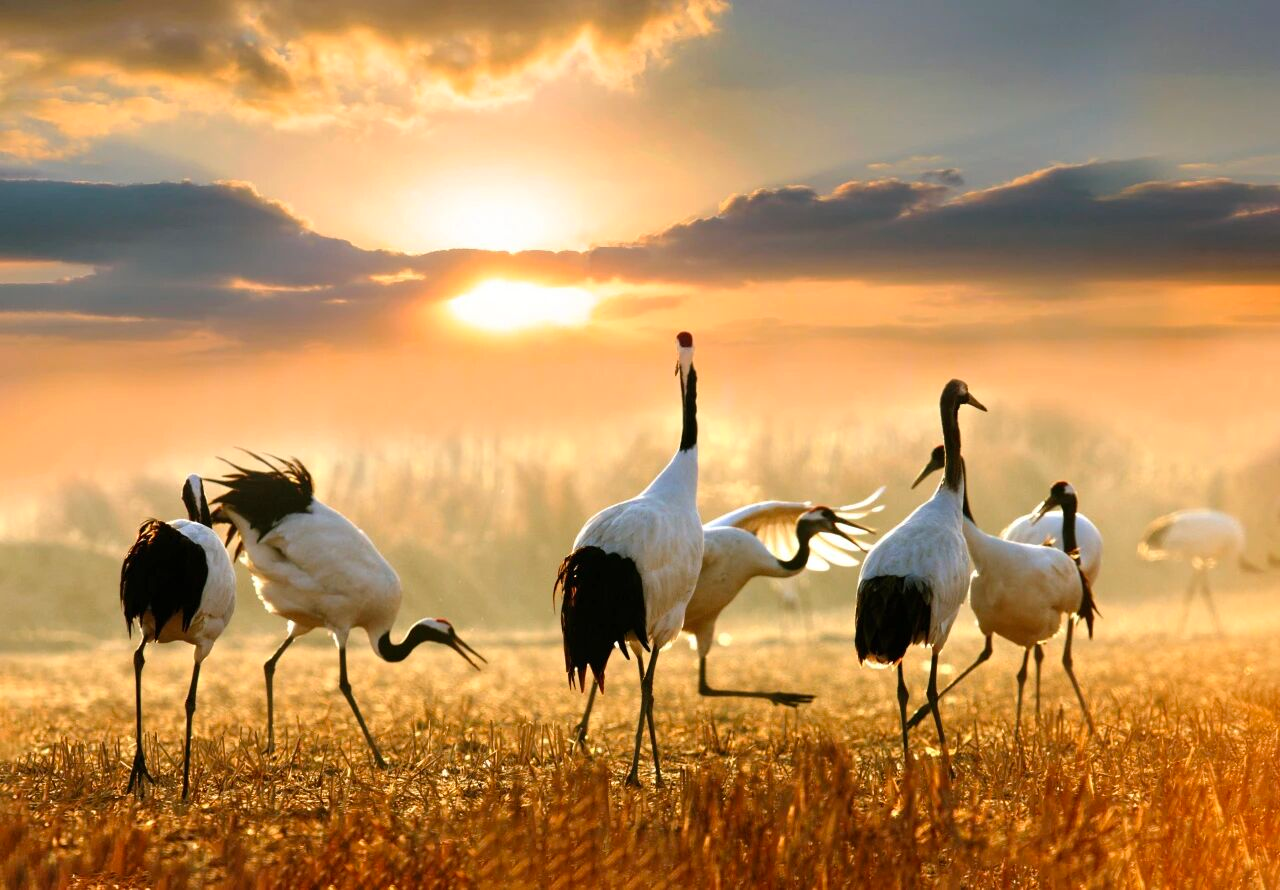
Wetland Elves | Photo: Wan Liang